.png)


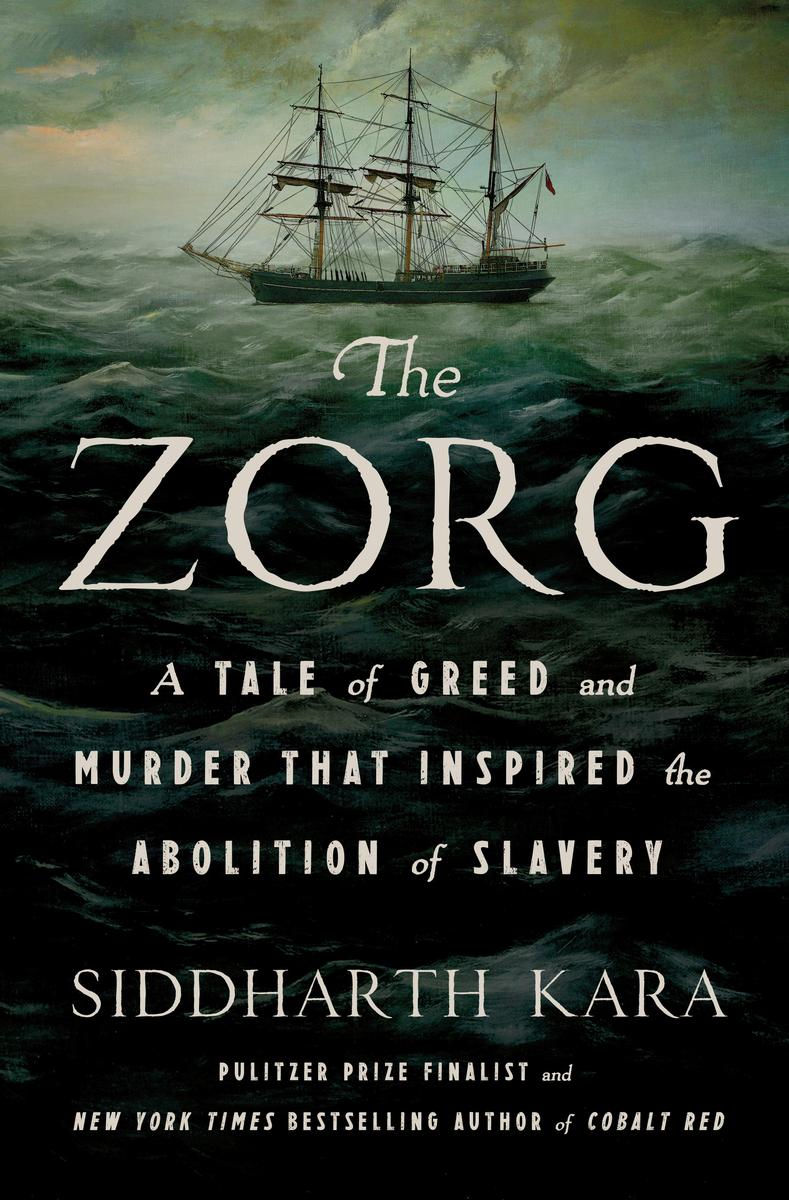
"The Zorg: A Tale of Greed and Murder that Inspired the Abolition of Slavery/ Reviewed by Bill Schwab
- cstucky2

- Dec 22, 2025
- 3 min read
Updated: Dec 23, 2025
"The Zorg" is a historical horror story, the wrenching, little-known story of an 18th-century incident on an Atlantic slave ship that led to the abolition of slavery in the British Empire and eventually the United States.
"The Zorg" (a Dutch word meaning "care") was a merchant vessel flying the Dutch flag that the British captured. Purchased by a privateer, it set sail from the Gold Coast of Africa in 1781 with a rough and tumble crew of 17 men who carelessly stocked it with water and food, and 442 captives who were pressed to live in niggardly, putrid quarters.
Stormy weather and navigator errors prolonged the ocean crossing to its destination in Jamaica. When the lack of drinking water became perilously low, the crew cast 130 Africans overboard.
No one questioned this heinous act until the ship's owner asked his insurance company to reimburse him for the drowned human cargo. When the insurer refused to pay the claim, the owner took the insurance company to court. The jury decided that the insurer must pay. Case closed—almost.
A news article describing the drownings and the court's decision appeared in a London newspaper. A scattering of people with abolitionist leanings were alarmed by the news, coalesced, and sprang into action. They joined the insurer in demanding a new trial. The original decision was reversed.
The author lauds the court's decision but criticizes the judge's reasoning. The magistrate ruled the enslaved people had drowned because of the crew's incompetence. If the ship had been stocked with adequate food and drinking water and navigated correctly, the enslaved people would not have been thrown overboard.
The abolitionists publicized the drownings and the judge's inhuman decision. Their publicity prompted more people to rally against slavery, causing many Britons to change their attitude about slavery and favor abolition. The abolitionist movement was sparked, and the flame would not be extinguished. In 1807, the British slave trade was outlawed, in 1838, slavery was abolished throughout the British Empire, and in 1865, it was outlawed in the United States.
This micro-history is not easy to read because of its incredibly shocking details about the slave trade. However, it is an important book because it exposes cultural thoughts about slavery during the late 18th Century. The author’s extensive research utilizes primary sources such as diaries, letters, court documents, shipping schedules, and military orders. Kara clarifies the record wherever possible and refuses to shy away from the brutality of history, forcing the reader to sit with uncomfortable realities.
St. Martin's Press is the publisher of this 287-page, thoroughly indexed and well-noted book. It includes a variety of colored pictures depicting African slave camps and forts, tools used for torture, and key figures in the slave trade. The endpapers include readily available maps of West African slave ports and sea routes, which are helpful to the reader.
I highly recommend this book to historians interested in the culture of slavery and how this pivotal incident has shaped thinking about slavery to this day.
About the author: Siddharth Kara is an author, researcher, and activist on modern slavery. He has written several books and reports on slavery and child labor. Most recently, his book "Cobalt Red" was a Pulitzer Prize Finalist. Kara won the Frederick Douglass Book Prize in 2010 for the book, “Sex Trafficking: Inside the Business of Modern Slavery.”


Comments