.png)


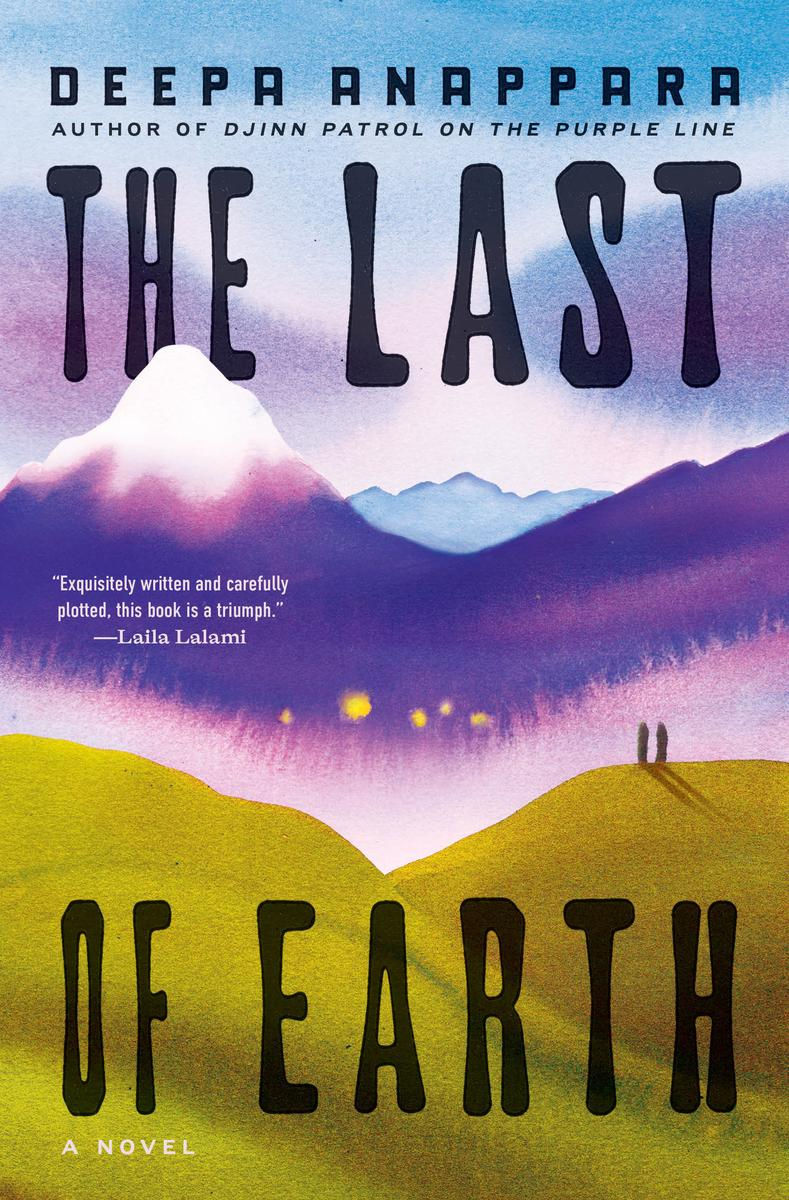
"The Last of Earth" | Reviewed by Pat Sainz
- cstucky2

- Jan 24
- 2 min read
I have rarely read a novel about the exploration of uncharted territory
(in this case Tibet) that so vividly describes the hardships of mapping “a blank space” in the world. At the same time, the descriptions of the absolute beauty and wonders of the country, home of the Himalayas and Mount Everest, made me feel that I was accompanying the explorers on a very trying journey.
In 1869, two explorers set out to map cities and rivers that run through Tibet. They do not know each other. Both have ulterior motives other than a desire to explore an unmapped country.
Balram is an Indian schoolteacher trained by the British to lead a British captain through parts of Tibet. Balram agrees to guide the captain for the purpose of rescuing his friend Gyan, also a guide, who has been brutally imprisoned by Tibetan monks.
It was illegal in 1869 for white men to explore Tibet since it was well known their motive was to conquer the sovereign country. The British captain accompanying Balram thinks he can hide his face with ink dye and cover his body with the robe of a Tibetan monk. He counts on Balram and other paid Indian guides to protect him from capture by Tibetan soldiers. He is motivated by a need to gain recognition for his own personal glory.
Katherine is a 55-year-old explorer who has charted areas of Ceylon, Canton, and the Ganges. Her work has been ignored by the Royal Geographical Society in London. Her status as a half-caste woman (English and Indian) makes her less than worthy of acknowledgement by the all-male organization.
Katherine is determined to be the first European woman to reach the Tibetan city of Lhasa, a sacred site for Tibetan Buddhists. She is certain she will achieve overdue recognition if she completes her journey even if she has to embellish her adventures.
“The Last of Earth” tells of the explorers’ unnerving experiences from beginning to end. The adventurers face blizzards, snow leopards, unfriendly soldiers, suspicious townspeople, floods, illnesses, starvation, and unrelenting cold.
Although the protagonists of this novel are fictious, they are based on 19th century British explorers and Indian guides. The book is as much a story about the genius and bravery of the Indian guides as it is about the white explorers seeking fame.
Deepa Anappara, a journalist, also is the author of “Djinn Patrol on the Purple Line” which is based on missing children living in Indian slums, a subject on which she has reported for news organizations.